Biotech
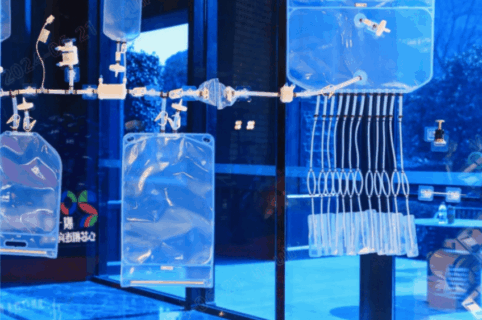
Pharmaceutical industry: choose single-use filtration devices
The biopharmaceutical industry is increasingly using disposable single-use systems for both the development and manufacture of numerous vaccines, therapeutic proteins and monoclonal antibodies (mAbs). What devices are available…
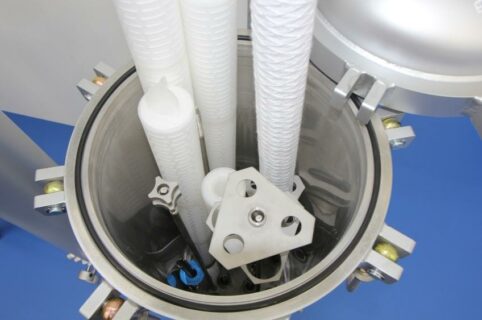
Kits to determine your optimal filtration sequence
In the pharmaceutical, biotechnological, cosmetic and food industries in particular, and more generally in any industry deploying critical filtration processes, selecting the most appropriate filtration sequence is essential.…
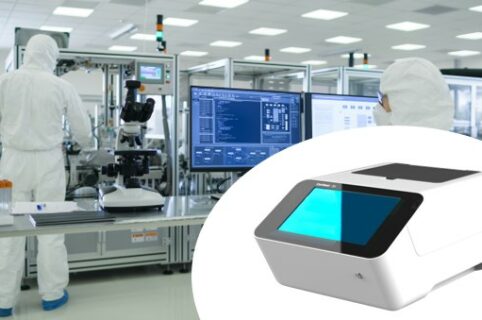
Testing the integrity of your filters is essential
In aseptic processes, being able to test the integrity of sterilising-grade filters, whether hydrophilic or hydrophobic, is critical. Indeed, even the slightest failure, if not detected, may compromise…
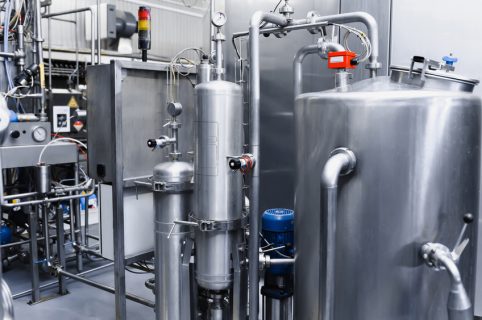
Water Treatment in API Production: Overview & Key Points, What You Need to Know
Fine chemicals develop complex molecules from organic or mineral intermediates, resulting from numerous sequential chemical reactions. The corresponding industrial units generally operate in batch mode. They carry out…

Dead-end filtration vs. tangential flow filtration: which should you choose?
There are two major filtration techniques involving a pressure gradient: dead-end filtration and tangential flow filtration. In the first—and most common—case, filtration occurs perpendicular to the membrane surface;…
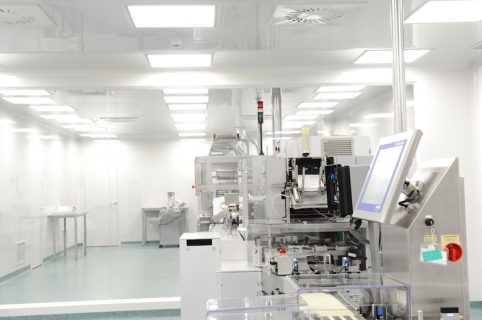
Air filtration in cleanrooms
Cleanrooms are, of course, essential in pharmaceutical production. A cleanroom is a confined workspace in the sense that it must be protected from potential contamination by ambient air.…
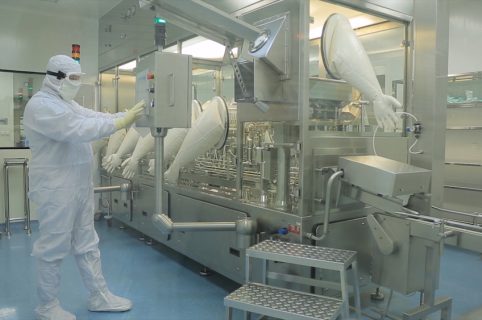
Filtration for the pharmaceutical industry: an overview of the filters to use
In the pharmaceutical industry, filtration and separation steps are essential. When the appropriate filters are used, they ensure that end-of-line products (primarily medicines) are sufficiently purified and safe…

Sterilising filtration: insights for your pharma–biotech applications
In the pharmaceutical, biotechnology and food industries, production, maintenance and laboratory operators frequently refer to sterilising filtration, and more specifically to 0.22 µm (0.22 micron) filters, also known…
Stay informed
Sign up for our newsletter to stay informed about industrial filtration news.
The information collected is used solely for the purpose of sending our newsletter. You may unsubscribe at any time via the link provided in each e-mail. For more information on how we manage your personal data, please see our privacy policy.
Our latest publications