All industries

Compressed-air filters
Compressed-air filters are used to remove air contaminants after compression. Type, size, filter quality… How do you choose the right filtration system to best meet each requirement? Here…
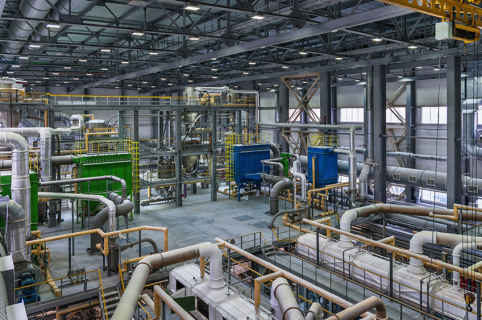
Pressure, viscosity, pressure drop…: “fluid mechanics for beginners”
Solvent viscosity, pressure drop across the filter, nominal pressure, pressure gradient, flow rate, Newtonian fluid… It is not always easy to understand what lies behind these various physical…

Metallurgical industry: eliminating dust, fumes, and oil mists
The manufacture of metal products involves a wide variety of processes: foundry operations, metal cutting, forming, polishing, grinding, welding, painting, and more. All these steps generate dust and…
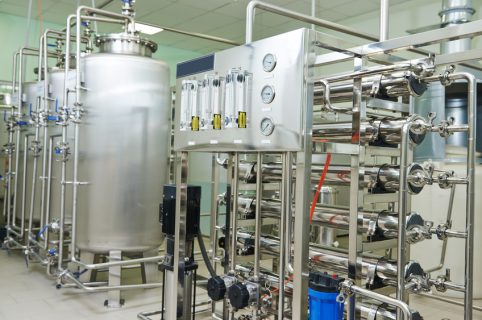
Microfiltration, ultrafiltration and sterilizing filtration: what are the differences?
Filtration processes can be classified according to the pore size of the filter. Depending on this size, we refer to microfiltration (including the specific case of sterilizing filtration)…

What dust-collection solutions for the cereals and seed sector?
Sorting, counting, transporting, and handling seeds all generate significant amounts of dust. Seed producers and cereal processors must therefore implement effective dust-collection systems to improve workplace conditions and…

Efficient dust collection in challenging industrial environments
Industrial dust collection aims to capture dust generated by production or handling equipment. The process is carried out in several stages: the dust must first be captured—preferably as…
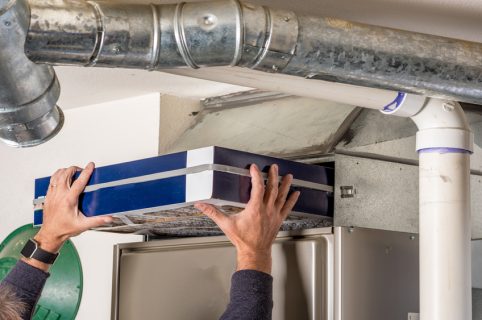
Filter replacement intervals: why is it important to follow them?
Complying with specifications and safety standards, protecting operators and the environment, controlling operating costs and energy consumption, limiting production line downtime, meeting deadlines, and avoiding product recalls due…
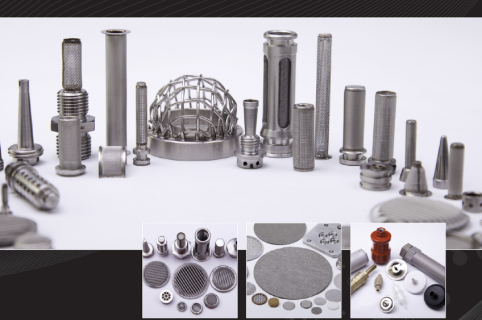
“Last chance” filters: what are they used for?
Last chance filters are used as complements to the main filtration systems. They are designed to remove and retain contaminants such as manufacturing chips, wear debris, and degradation…
Stay informed
Sign up for our newsletter to stay informed about industrial filtration news.
The information collected is used solely for the purpose of sending our newsletter. You may unsubscribe at any time via the link provided in each e-mail. For more information on how we manage your personal data, please see our privacy policy.
Our latest publications